
Although I usually push for radical reduction of consumption and the production of new products, there’s one important reason for designing new things in a world overflowing with discarded objects — and that is to sustain traditional crafts and prevent them from dying out.
However, even with the prevailing and clear enjoyment of shopping, we are currently experiencing a mass extinction of crafts traditions worldwide. Part of the reason for this is the immense competition that quickly, cheaply produced products constitute in relation to slowly crafted artifacts. And part is due to the societal and cultural development of norms and status, which tend to be interlinked with a need for growth and quick, easy acquisition of convenient products.
The role of a sustainable designer hence goes beyond just creating new things. There is a deeper, more profound mission interlinked with the profession, which includes reviving endangered craft traditions and joining hands with local communities to make sure everyone gets their fair share.
Gratefully, there are lots of conscious consumers out there, who hold a deeper care, transcending appearances and convenience. Their focus extends to the narratives woven within the objects, to the values that these creations bear.
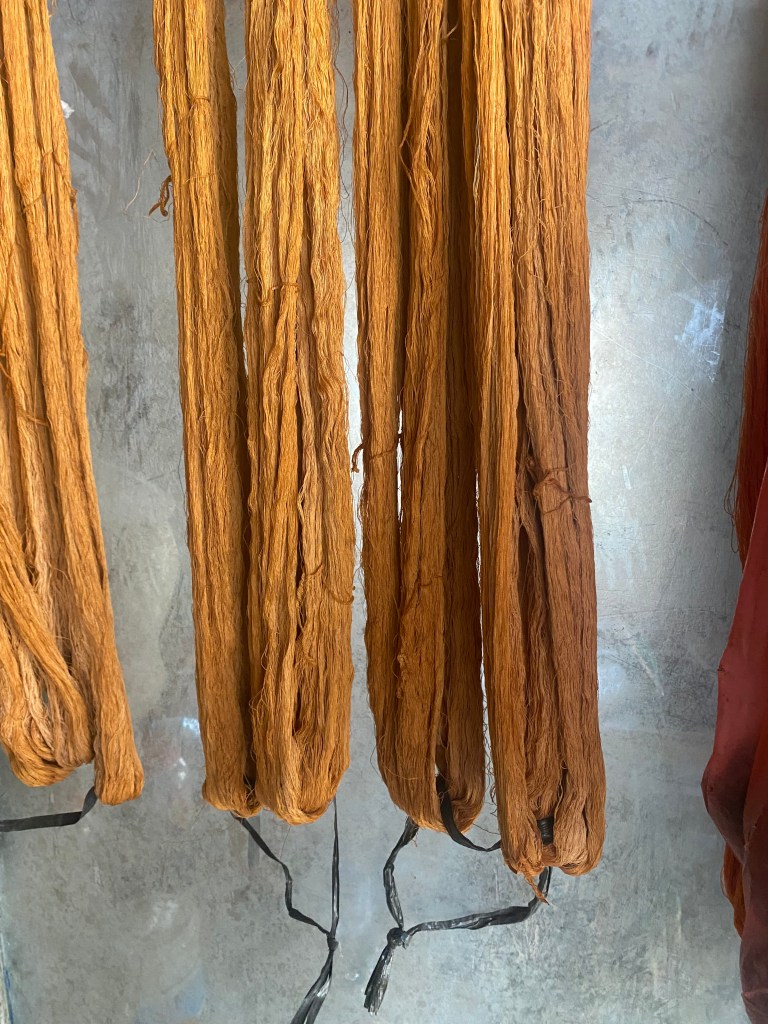
The current state of affairs is that traditional crafts are endangered in many regions in the world. This tendency is typically either caused by a lack of status and money in working as an artisan, so younger generations pursue other careers. Or, it is due to the aesthetics linked to the particular crafts stagnating, which has led at times to traditional craft products being labeled kitsch — an unjust label that taints them with an air of tastelessness and gaudiness.
As mentioned, adding to these challenges, the discordance between traditional crafts and the demands of many contemporary consumers exacerbates the struggle. The needs of modern mass-consumers, marked by the rapid pace of life, tends to diverge from the offerings of time-honored crafts. While traditional pieces are often infused with profound cultural significance and an intricate legacy, they may not always harmonize with the immediate demands of a world geared for convenience and immediacy.
In this intricate dance between heritage and evolution traditional craftsmanship is often challenged and stretched between the past and the present. There is a need for innovative solutions that can bridge the gap between tradition and modernity.

The vanishing of traditional crafts techniques leads to the unfortunate loss of invaluable knowledge and expertise. These techniques, often honed over generations, carry within them the essence of cultures, communities, and the mastery of human hands.
Moreover, crafts techniques and patterns are seldom archived in written form, and the intricate designs that constitute the heart of traditional crafts are rarely transcribed or stored on paper. Instead, they are intricately woven into the fabric of intergenerational transmission, handed down from one skilled hand to the next through oral traditions and live demonstrations. The intricate patterns of traditional weaving are intricately woven into the very fabric of life itself — entwined with the rhythms of ceremonies, the cadence of daily routines, and hence preserved within the very activities of the people.
When artisans veer towards alternative paths for earning their livelihoods — which is a lamentable consequence of the fading resonance of crafts traditions — a tapestry of craftsmanship unravels, one intertwined with customs, daily rhythms, memories, and the accumulated wisdom of countless artisans before them. This decline signifies more than just a cultural setback; it signifies the gradual erosion of diversity — it is an unfortunate movement towards homogenization and globalized sameness.
This loss resonates as a void within the collective spirit of a society. Each discarded craft technique or forgotten pattern holds within it the potential for inspiration: for igniting imagination — as well as for fostering a connection to our roots. There is therefore an urgency in this plea to recognize artisans’ crucial role in safeguarding our cultural heritage. Because crafts’ survival is prerequisite to sustaining and protecting stories, heritage, and the very essence of our diverse, interwoven human family.
So, what’s the answer? How can a sustaining designer make a difference?
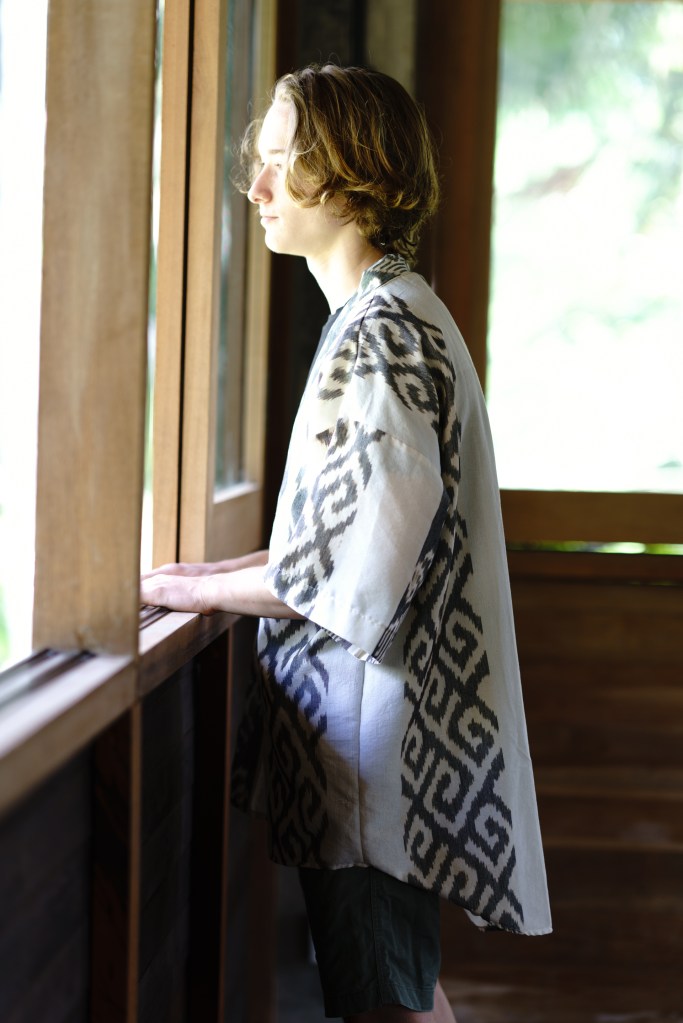
At the heart of the sustainable designer’s role lies innovation — a pivotal force that can empower artisans to sustain their livelihoods and rescue dying crafts. Breathing new life into traditional crafts involves optimization, where processes are refined, designs reinvigorated, and potentially intertwining traditional techniques with modern technologies.
One of the most challenging parts about sustaining endangered crafts traditions is the balancing act between maintaining the core of the craft — the technique, hands-on wisdom, the look of the traditional patterns, the feel of textures, etc. and updating the overall aesthetics in order to effectuate and innovate.
The difficulty here lies mainly in the curious fact that the significant aesthetics — the look and feel of the crafted product — which is linked to a specific crafts tradition is its strength but simultaneously its Achilles heel.
A craft-tradition is accompanied by certain motifs, patterns, textures, color combinations, carvings, or shapes, and is restricted to staying within the limitations of these. The motifs and textures are typically charged with connotations; with metaphysical meaning, allegories, symbols, stories, and signs, and linked to certain events or ceremonies — and only worn or used at these — societal status, family ties, or life-phases. And traditional artisans are trained to carry out these conventional patterns with precision.
However, these shapes and motifs may not align with the preferences and needs of those beyond the initial target audience for which they were crafted. As they are removed from their original context, their symbolism might dissipate or lose its significance, rendering them void of meaning. Additionally, their functionality might become outdated, and their aesthetic appeal might fall short of offering a complete nourishing experience.
Moreover, as already discussed, the techniques inherent to these original craft expressions often demand extensive time and effort, resulting in a situation where contemporary artisans find themselves unable to equate the price of their meticulously crafted products with the hours invested in their creation. This poses a substantial burden on artisans, who grapple with the challenge of preserving their craft while also ensuring its viability in a modern market.
The balancing act that the sustaining designer faces hence involves locating the core of the specific craft-tradition that she is working on preserving — whether this is wood carving or basket or textile weaving — and entering the design-process with the overall objective of leaving significant, recognizable traces from the original layout.
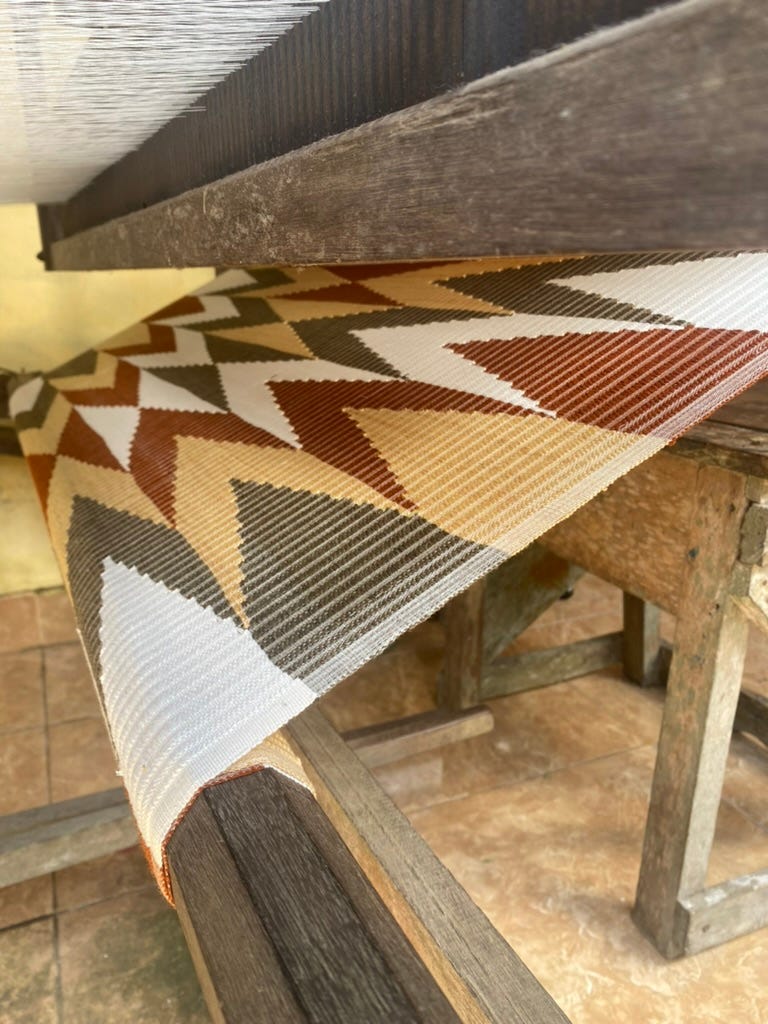
But how do you discover the very heart of a craft’s expression? How can you ensure that as you innovate, you preserve its essence rather than letting it fade away, erasing its original technique and spirit, contradicting the very notion of sustaining the craft?
How do you uncover the fundamental core of its patterns, textures, or forms, and weave this core seamlessly into a new iteration, all with the overarching aim of rescuing that unique craft tradition from the brink of extinction? And most importantly, how can you guarantee that the wisdom passed down through generations remains alive and unscathed?
Within this process, a hint of deconstruction comes into play, resembling the act of peeling back layers to reveal the core of the specific craft. To unearth its most essential characteristics, one must engage in disassembly and reverse engineer its appearance, tactile sensations, and functional intricacies.
Navigating these inquiries is a multi-layered endeavor, and it’s precisely this exploration that lies at the heart of my new initiative that I have named Southeast Saga. By embarking on this journey, I aim to uncover how the essence of craft traditions can be safeguarded, their techniques invigorated with innovation, and their stories woven into the tapestry of our ever-evolving world. Through Southeast Saga, my intention is to pay homage to the artisans of Southeast Asia, especially Indonesia (as this is where I spend a significant amount of my time), to honor their expertise, and contribute to the preservation of these invaluable traditions.
 The Immaterialist
Love reading you, you are so inspiring. I just love local handicraft.
Love Aruna
>
LikeLiked by 1 person
Thank you!! That means so much to me. Sending hugs. much love, Kristine
LikeLike